

Bespoke
Business
Software
One platform shaped around how your business runs, replacing the separate systems it has collected over the years.
Trusted by global brands


















One System for the Whole Business
Most growing businesses run on a patchwork of spreadsheets, subscriptions and workarounds that were never designed to talk to each other. We replace that patchwork with a single platform built around the way your teams actually work, so everyone sees the same numbers.
We map how you work
We spend time inside the operation and trace how work really moves between people, spreadsheets and tools before anything is designed.
We design one platform
Each area of the business becomes part of one system, so the same customer, order or job is never typed in twice.
We build it alongside your team
Your people test working software from the first weeks, which means it fits the job before it reaches everyone.
We stay to run and grow it
After launch we keep developing the platform as the business changes, so it never becomes the next system you outgrow.
Separate Systems Compared With One Platform
Every extra tool adds another login, another copy of the data and another place for things to go wrong, and the cost grows quietly as the business does.
One login and one set of data
One login and one set of data
Figures from platforms we have built and still run.
Every Part of the Business
Choose an area to see what the platform handles there. Each one can be built on its own to start with, then joined into the whole as the business grows.
Jobs, orders, scheduling, production and approvals
- Job and order tracking from enquiry to completion
- Scheduling and capacity planning
- Approval workflows with a full history
- Live status for every team
Typically replaces: job spreadsheets, whiteboards, shared inboxes and project tools.
Quotes, accounts, order books and customer history
- Quotes built from live prices and stock
- Every order and conversation in one record
- Order books for wholesale and trade accounts
- Follow-ups that never get forgotten
Typically replaces: a separate CRM, quote spreadsheets and long email threads.
Inventory, suppliers, purchasing and reordering
- Live stock across every site and store room
- Reorders raised when levels run low
- Purchase orders with approval limits
- Supplier prices and lead times in one place
Typically replaces: stock spreadsheets, a standalone stock system and supplier emails.
Invoicing, payments, costs and month-end
- Invoices raised from completed work
- Payments matched to invoices automatically
- Costs tracked against every job
- Month-end numbers without the assembly
Typically replaces: manual invoicing, re-keying into accounts and reconciliation spreadsheets.
Rotas, tasks, timesheets and mobile working
- Rotas built around skills and availability
- Jobs sent straight to phones on site
- Timesheets filled in as the work is done
- Photos, signatures and notes captured on the spot
Typically replaces: rota spreadsheets, paper job sheets and group chats.
Checks, records, certificates and audit trails
- Checklists that must be completed before work moves on
- Certificates and expiry dates tracked for you
- A full record of who did what and when
- Reports ready for an auditor at any time
Typically replaces: paper checklists, filing cabinets and certificate spreadsheets.
Equipment, vehicles, servicing and inspections
- Every asset with its history and location
- Servicing and inspections scheduled ahead
- Faults reported from a phone
- Costs and downtime for each asset
Typically replaces: asset registers in spreadsheets and paper service books.
Calendars, slots, resources and reminders
- Customers book against real availability
- Rooms, people and equipment never double-booked
- Reminders sent automatically
- Changes reach everyone at once
Typically replaces: paper diaries, shared calendars and bookings taken by phone.
Websites and shops joined to the platform
- Stock and prices shown live on the site
- Orders arrive in the system your team already uses
- Trade and retail prices from one catalogue
- Content your own team can update
Typically replaces: a shop that has to be kept in step with stock and accounts by hand.
Portals and apps for customers, partners and staff
- Customers track their own orders and jobs
- Partners and suppliers see only what concerns them
- Staff apps for work away from a desk
- One sign-in across all of them
Typically replaces: status phone calls, emailed updates and shared folders.
Data, AI and Integrations
Because everything sits in one platform, the data can finally be reported on, automated and connected to the tools you keep using.
Every area of the business on one set of data
and AI
For every team and site
No assembly needed
Taken off your team
Every area of the business on one set of data
For every team and site
No assembly needed
Taken off your team
Reporting and dashboards
Live numbers for every team and every site, without anyone assembling them by hand.
AI that works inside it
AI that produces the reports, watches the numbers and takes routine work off your team.
Connections to your tools
Accounting, payments, e-commerce and messaging joined in, so data flows without re-keying.
Selected Work
Platforms and products we have built, each with its own case study.
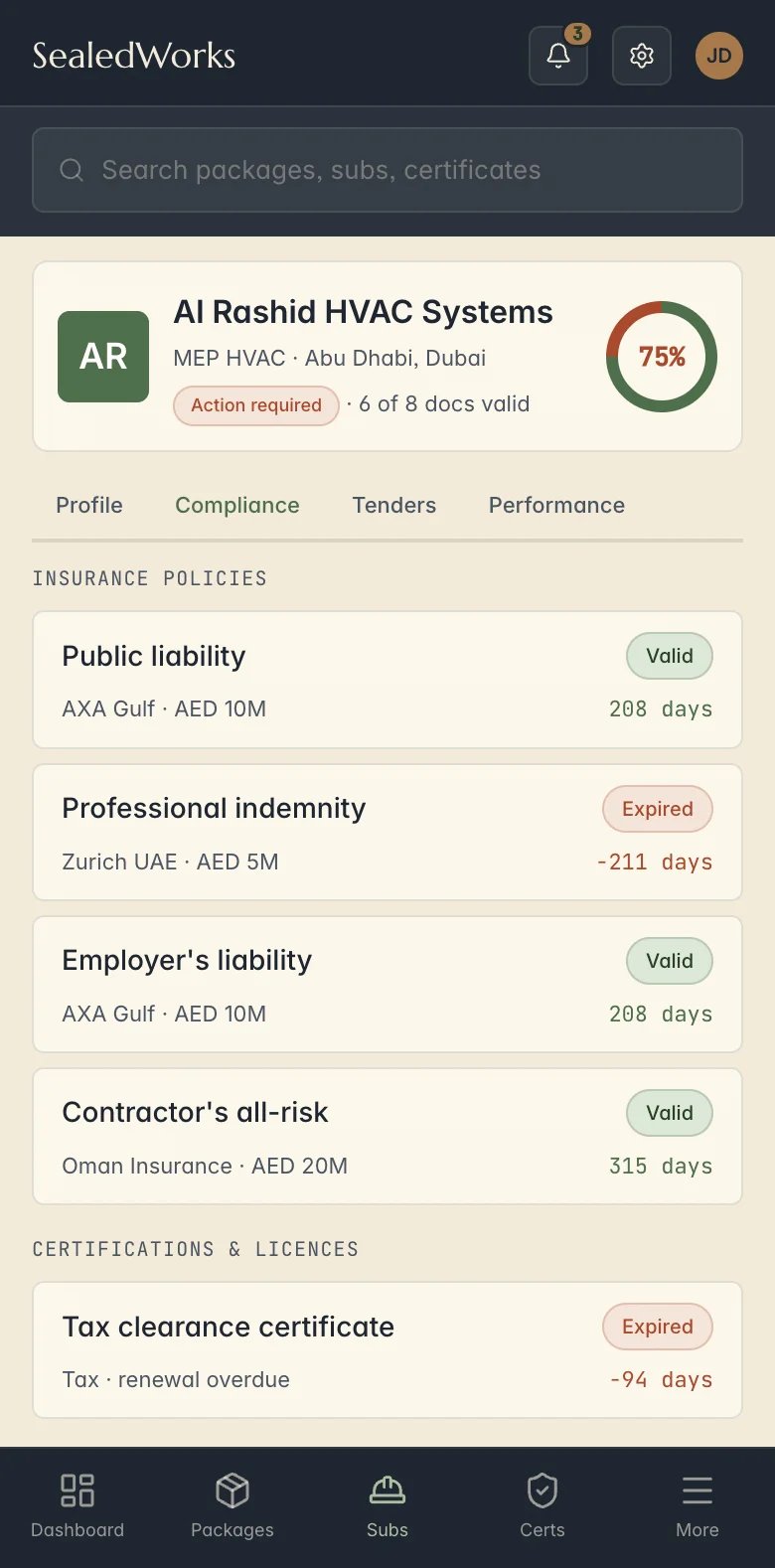
Sealed bids and audit trails for GCC contractors.
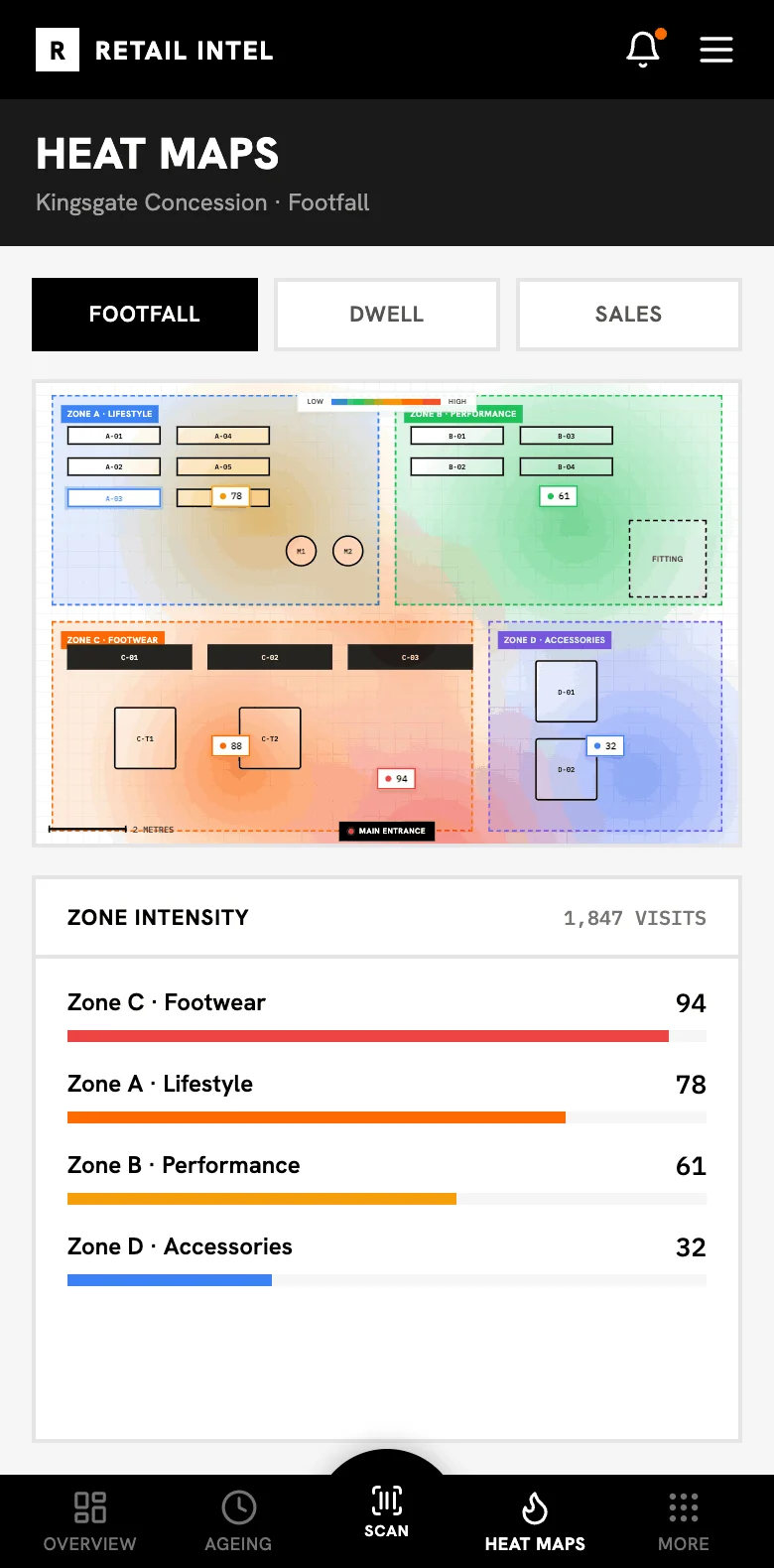
Full visibility from delivery to stockroom to shop floor to sale.
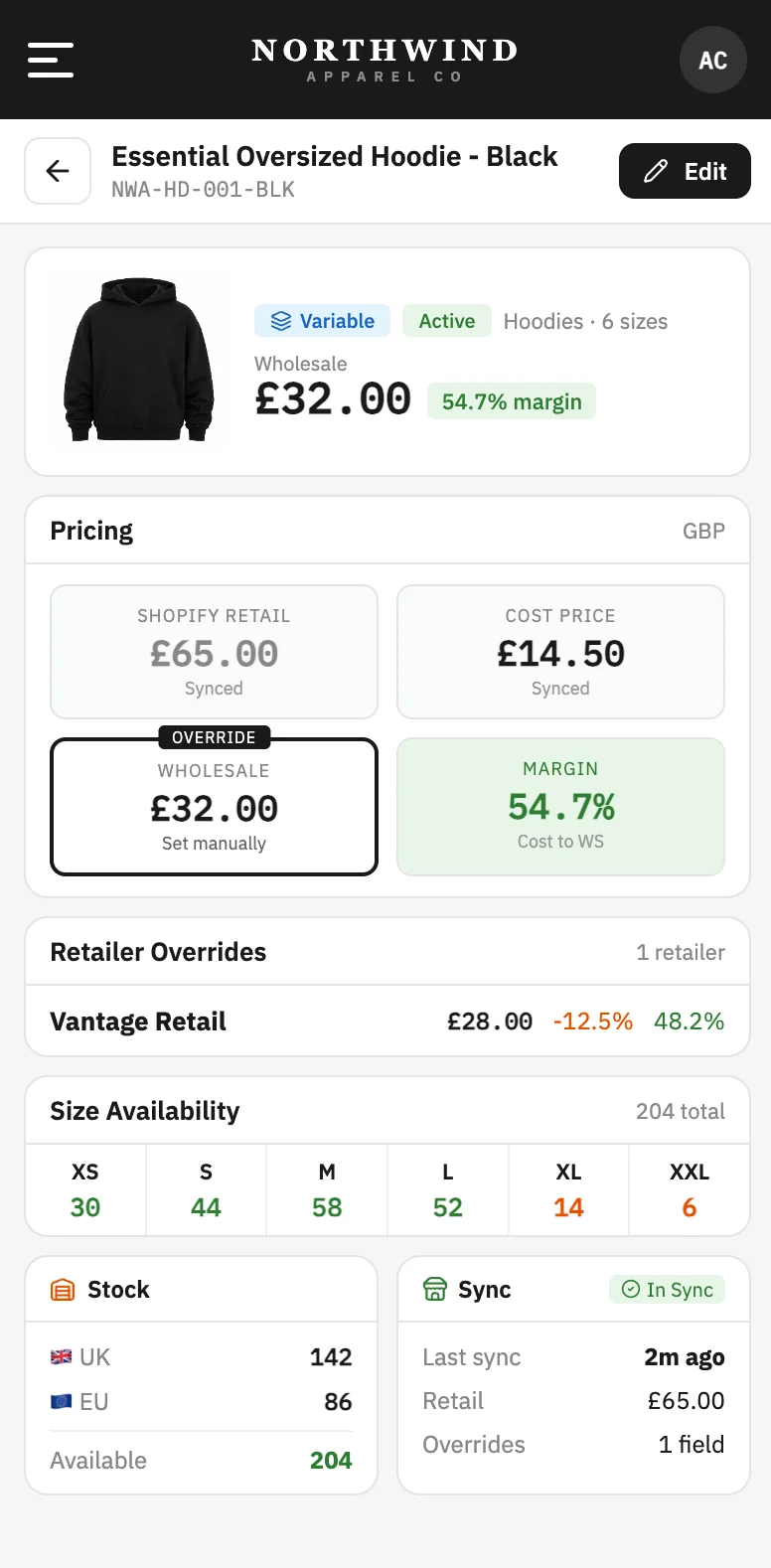
A Shopify-synced platform that runs an entire wholesale operation.
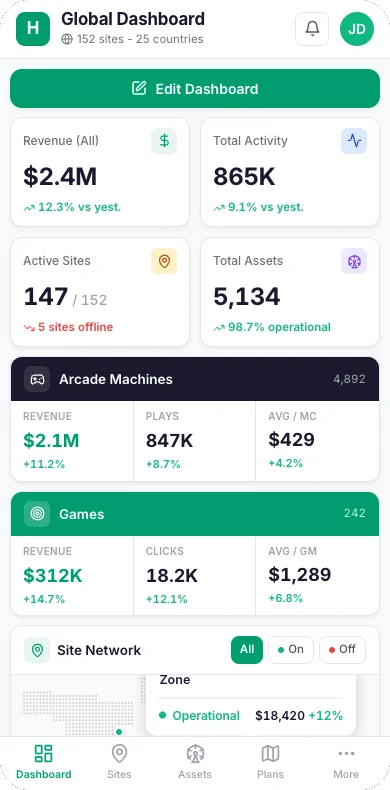
Centralised control for 150+ attractions across 25+ countries.
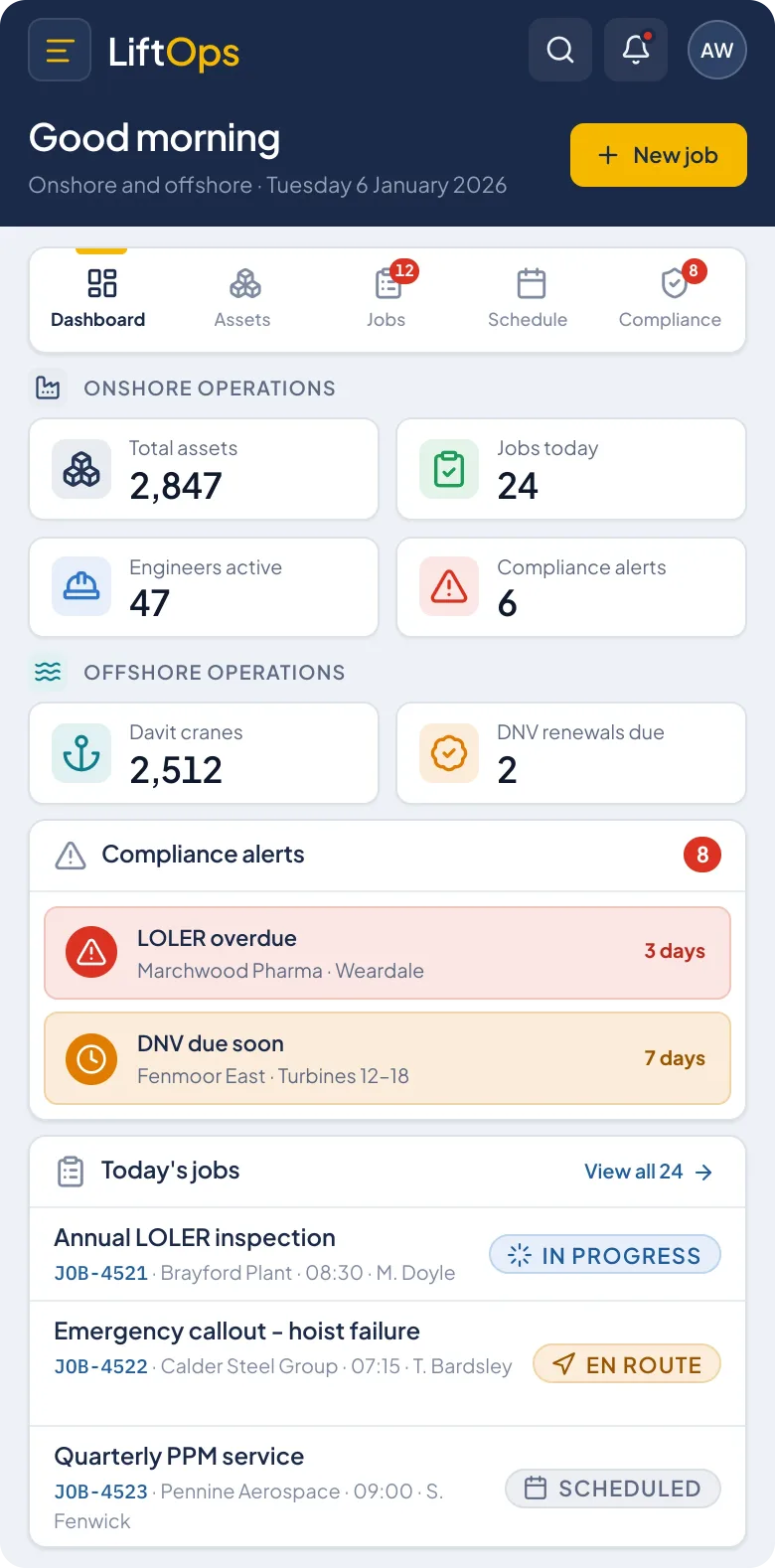
Field-first operations for 5,300+ assets, onshore and offshore.
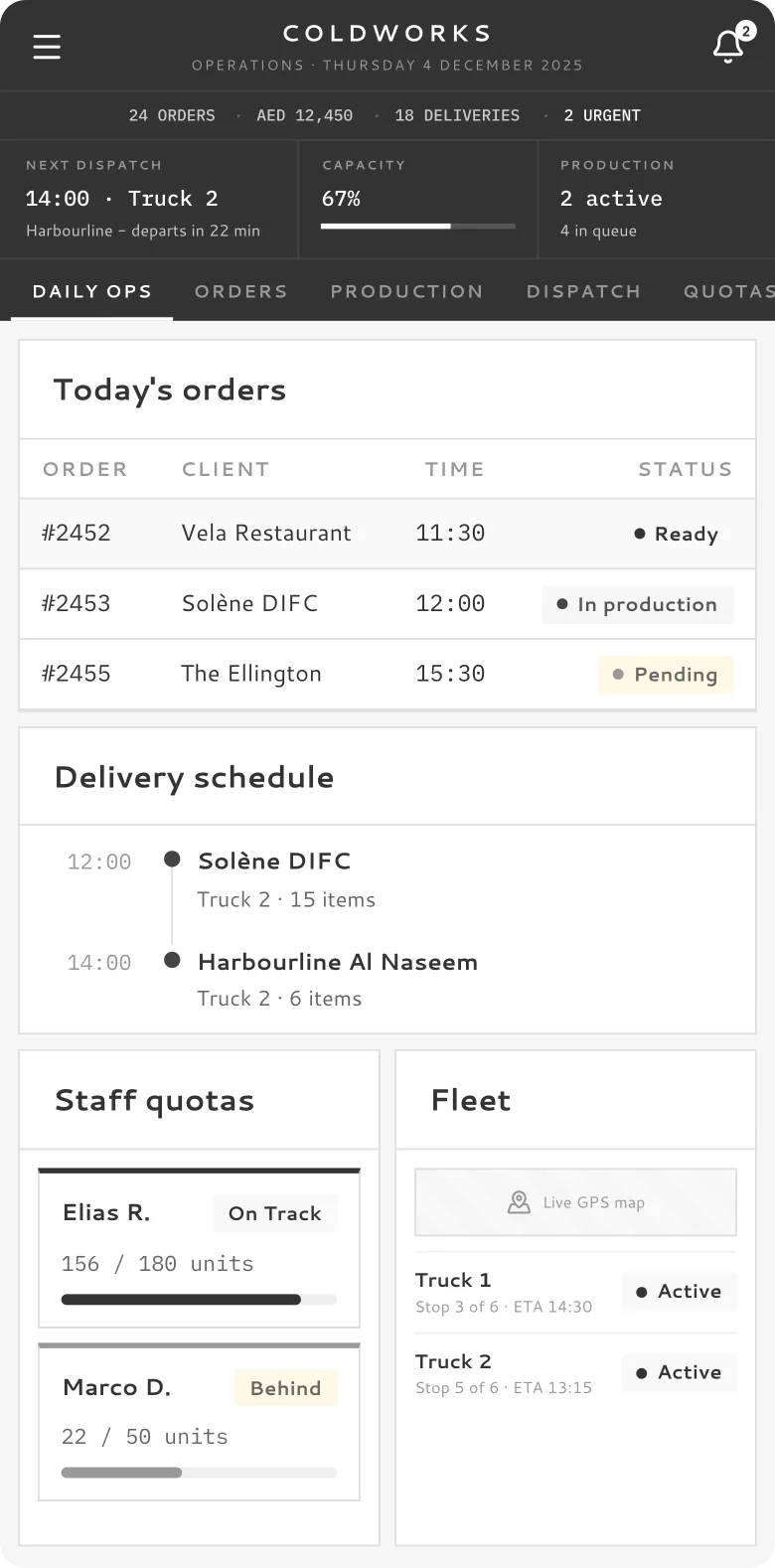
Fifteen modules, from the production floor to the customer's door.
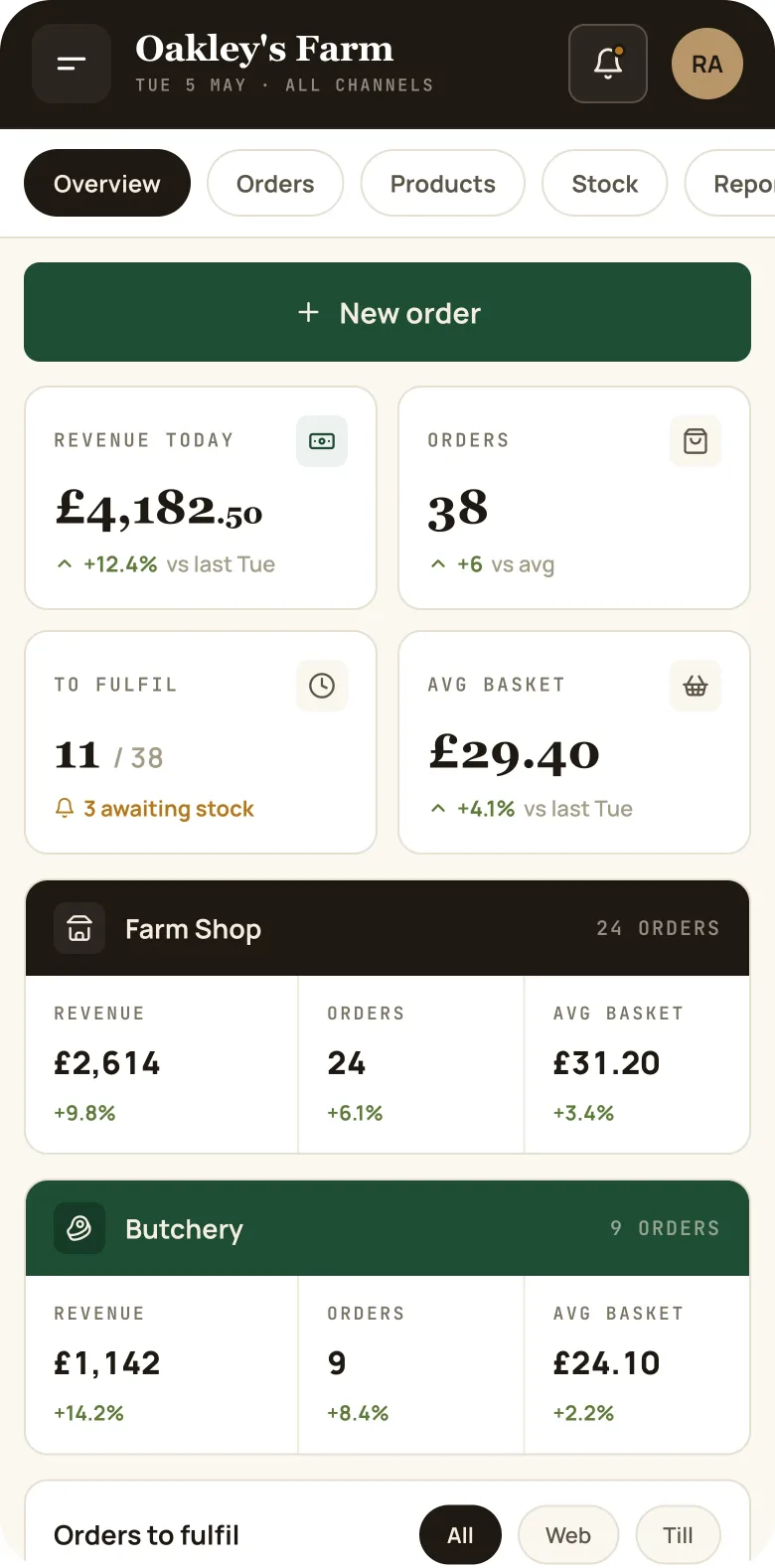
A complete retail operating system, replacing the off-the-shelf stack entirely.
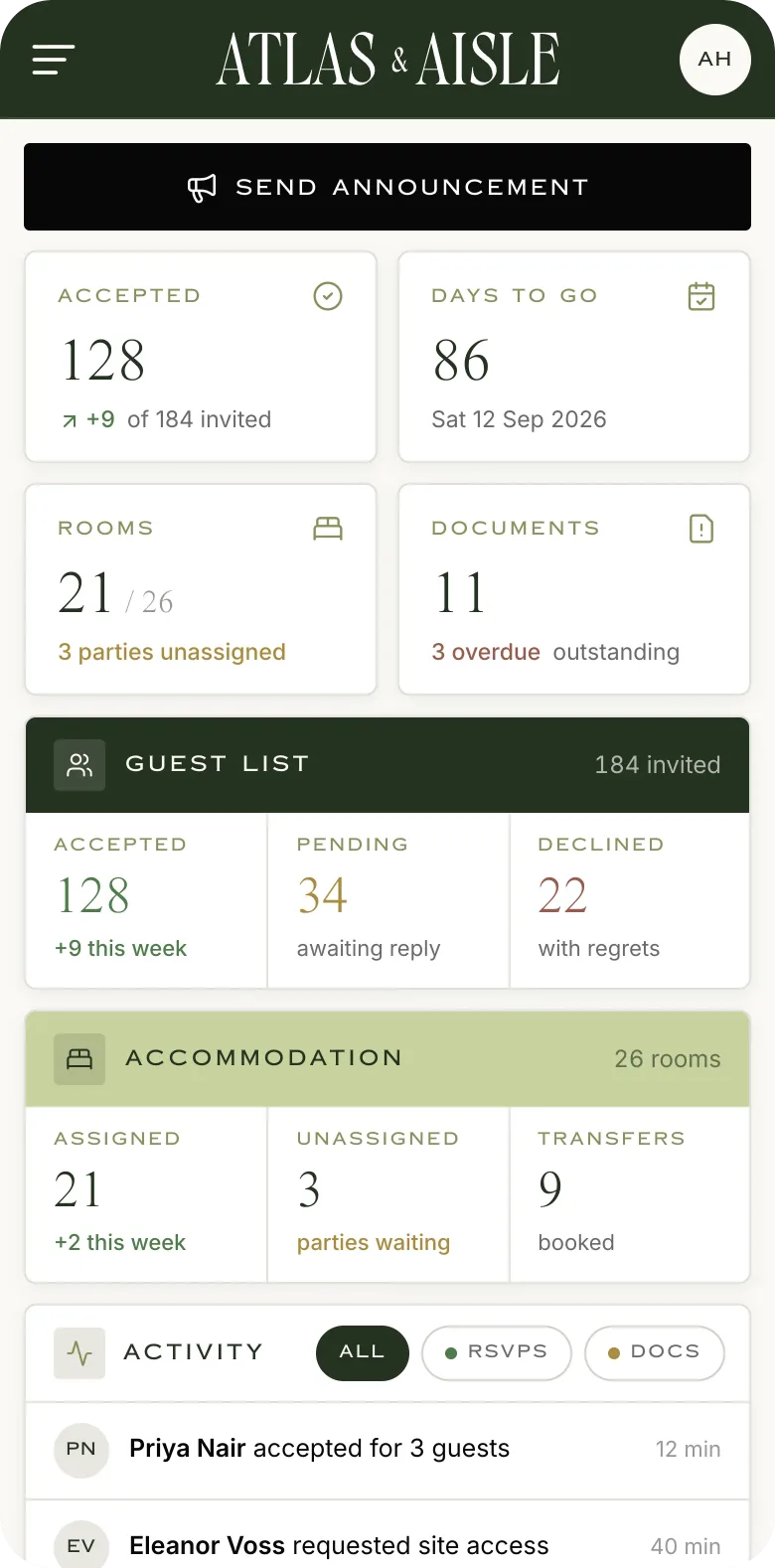
A product we built, launched and run ourselves.
Senior Engineers Who Run the Whole Project
The engineer who maps your operation is the engineer who builds the platform and stays to run it, with no juniors and no offshore handovers.
manager
manager
 Paul Banks
Senior engineer and founder
Paul BanksSenior engineer and founder
One engineer, start to finish
The same senior engineer reports to your board, leads the design reviews and change management, engineers the build, and carries out the testing and security checks.
Two or three on larger projects
When a project needs more hands, two or three senior engineers now deliver what used to take a team of ten or more.
We build our own products too
Our advice is tied to risks we take with our own money.
Built for 29 Industries
The same approach, shaped around the way each sector works.
How We Build Your Platform
From the first conversation to a long-term partnership, in eight phases.
Frequently Asked Questions
Plain answers before you get in touch.
How long does a platform take to build?
That depends on how many areas are involved, so you get a timeline once we have mapped how you work. Because each area can go live on its own, you start using the platform well before the whole of it is finished.
Can it work with the systems we already use?
Yes. Accounting, payments, e-commerce and messaging tools can all be joined to the platform, so you keep what works and replace only what holds you back.
Can we start with one area and add more later?
Yes, and most clients do. We begin with the area causing the most pain and add the others as the business is ready for them.
Who owns the software?
You do. The code, the hosting and every account are set up in your name.
What happens after launch?
We stay on to run and develop the platform as the business changes, so it never becomes the next system you outgrow.